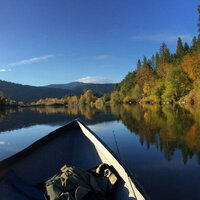


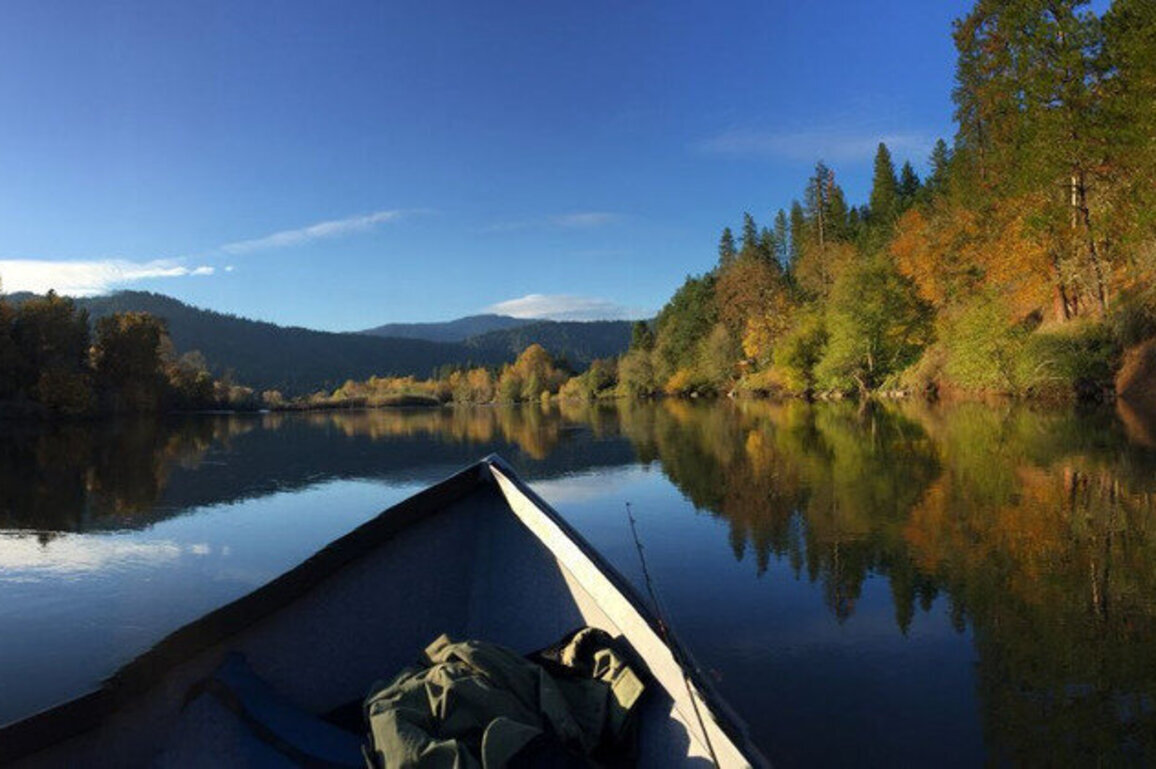
The environmental advocacy group American Rivers has named the Rogue River in Southern Oregon as one of America’s "most endangered," citing threats from logging, mining, and road building.
The two federal agencies tasked with managing public lands, the Forest Service and the Bureau of Land Management, are planning to increase road construction and logging in Western Oregon.
Michael Dotson, executive director of the Klamath-Siskiyou Wildlands Center, said protecting the Rogue and its surrounding wildlife is a bipartisan issue.
"Fishing, hunting, hiking, boating; these are not just environmentalists doing these things," Dotson pointed out. "These are activities that Oregonians love and I would hope that a lot of folks speak up against what looks to us like a push towards resource extraction at a maximum level."
Adopted in 2001, the Roadless Rule safeguards nearly 60 million acres of national forest land, including 2 million in Oregon, from road-building and logging. Federal officials said the rule’s removal will help land managers better protect communities from wildfires but research shows more than 90% of wildfires occur within half a mile of a road.
Another major threat to the Rogue River comes from a Canadian company, which has laid claim to more than 10,000 acres of public land in the greater Rogue and Illinois River watersheds. Dotson stressed there could be nickel mining exploration proposals coming as soon as this spring or summer. He called hard rock mining, including nickel extraction, one of the most toxic industries in the country.
"It's a real concern to think about putting large-scale, 1,000-acre strip mines in the headwaters of these streams when we know the impacts that toxic mining can have on these waterways," Dotson contended.
Internationally recognized for its natural beauty and ecological importance, Dotson added the Rogue was designated as one of the first Wild and Scenic Rivers in 1968. The river is second only to the Columbia for the largest salmon run in the lower 48 states, with about 100,000 salmon returning annually.
Source: Public News Service