


A series of technical, granular, but essential changes in tax treatment for early-stage research and development will help "domesticate the supply chain for clean technologies"-even though they're equally available to fossil fuel companies, a leading industry analyst says.
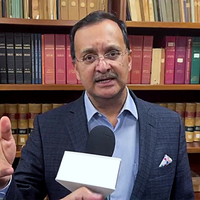
The changes, embodied in draft legislation released two months ago, make it easier to apply the federal government's Scientific Research and Experimental Development (SR&ED) tax incentives to clean energy start-ups, said CleanTech North Managing Director Bryan Watson.
The revisions would be put forward by Finance Minister Francois-Philippe Champagne (L-Saint-Maurice-Champlain) or his Parliamentary Secretary Ryan Turnbull (L-Whitby), who was one of several people Watson credited online with pushing the draft rules into the previous government's December, 2024 economic statement.
"It could be legislated fairly quickly and would be a very good early win in the fall session," Watson told The Energy Mix last month. "I'm not taking any bets. Legislation always takes longer than one would like. But the legislation is there. Unless there are any major curveballs in the process, which I don't anticipate, I expect it to be there."
Federal sources approached by The Mix did not confirm whether the changes will be released this fall, or included in Champagne's federal budget when it is released November 4.
Watson cited three main changes that cleantech advocates have been asking for:
The "biggest change bar none," retroactive to December 16, 2024, is that SR&ED tax credits will now be available to publicly-held as well as private companies. That decision provides "an answer to the question I've asked for a decade now: why should the nature of your company, public or private, matter?" Watson said. "Why are you penalized for going public, which does not necessarily mean you are rolling in cash or cash flow?"
Now, "they're going to be able to claim refundable tax credits, which is a complete shift," enabling companies to claim refunds for eligible expenses even if they have no taxes owing. On LinkedIn, Watson said the new rule "levels the playing field, ensuring companies that go public to raise growth capital aren't penalized."
The second revision restores an earlier SR&ED provision that allowed companies to claim capital expenditures as eligible expenses. If a start-up needs specialized equipment, for example, to complete experimental development of an advanced solar cell, "in the far past you would have been able to include some of that capital expense," Watson explained. Reinstating that rule and allowing companies to claim 40% of their capital and related costs, including human resources, "will help electronics companies, and it will help cleantech companies that are manufacturing things."
The draft legislation raises the expenditure cap for tax credits from $3 to $4.5 million and increases the maximum threshold for taxable capital. "The punchline is that more expenses can be included in the 'SR&EDable' expenses to generate refundable tax credits," he said. "So it means higher cash flow" for start-ups that are scrambling to get set up and established and "allows for more readily recyclable capital to come back into the companies."
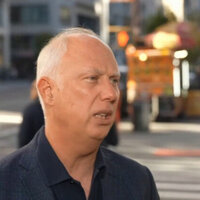
Andrew White, CEO of Toronto-based CHAR Technologies, said SR&ED was "hugely important" when he first started his company, aiming to turn wood waste into pellets to replace metallurgical coal for steelmaking, then divert leftover byproducts into renewable natural gas (RNG) to replace fossil gas in pipelines. But before long, "as with any sort of hard-asset cleantech, you need a lot of money to take the next step"-in CHAR's case to build kilns for high-temperature pyrolysis, expand the business to demonstration scale, and cover marketing and other up-front costs.
That meant moving into the same capital markets that support junior oil, gas, and mining firms, but once the company went public, it could no longer claim SR&ED credits. "That really hurt, because were still doing a lot of research and development, we were doing scale-up, all our shareholders were Canadian-based, and yet we didn't qualify."
Nearly a decade later, "we're still headquartered in Canada, we're building our commercial plant in Thorold, Ontario, most of our R&D goes on there, and our next projects are in Nipigon, Ontario and Saint-Felicien, Quebec," he told The Mix. Getting access to refundable tax credits under SR&ED "means we can scale up our research again. We don't have to decide to put a dollar into development and generate revenue versus putting it into R&D. We can put more into R&D up front, really start to accelerate, and make sure we're not losing ground to our U.S. or European competitors in the space in which we operate."
Watson said the tax changes would not specifically make cleantech companies more competitive against fossil fuel subsidies because they aren't meant to be specific to any industry. "These changes could be just as applicable for research and experimental development in oil and gas, to early-stage companies in that industry," he said. "I know a bunch of companies that are clean-techie in that industry, trying to make it better, less damaging, more resilient, less leakage, that sort of stuff."
But "what I think it will do is help de-risk more innovative clean technology companies," at a time when cleantech start-ups outnumber their counterparts in oil and gas.
"I think this will have more of a positive impact on cleantech, only because there are more companies," he said. "You aren't seeing as many oil and gas companies pop out of the woodwork, so my guess would be that you would have more early-stage clean technology companies securing the tax credits than not."
Source: The Energy Mix